Planting Resilience
How Trees Help Farms and Communities Prepare for a Changing Climate
Climate resilience is often discussed as a challenge for the future. On farms, however, it is something we must cultivate today.
At Sagro Farms, planting and protecting trees is one of the ways we are working to build healthier agricultural landscapes. By intentionally integrating trees into farmland, we can help strengthen the soil, protect water resources, create habitat for wildlife, and give crops greater protection from changing weather conditions.
This approach is especially important on our coffee farm. Coffee does not have to grow as a stand-alone crop beneath an open sky. When it is cultivated within a diverse, tree-covered landscape, the farm becomes part of a much larger living system.
More Than Shade
Trees provide shade that can help moderate temperatures around coffee plants, but their value extends well beyond the canopy.
Their roots help hold soil in place, reducing erosion during periods of heavy rain. Fallen leaves and other organic matter return nutrients to the ground and support healthier soil. Trees can also improve water retention, provide wind protection, store carbon, and create the varied layers of vegetation that birds and other wildlife need for food and shelter.
Together, these benefits can make farmland more capable of responding to environmental stress. A farm with healthy soil, protected water resources, diverse vegetation, and a functioning tree canopy is better positioned to withstand changing rainfall patterns, extreme heat, and other climate-related pressures.
For us, tree planting is therefore not separate from farming. It is part of how we care for the land that makes farming possible.
Creating Habitat Through Coffee
Adding and retaining trees on our coffee farm is also central to our work with the Smithsonian Bird Friendly program.
Many migratory birds that spend part of the year in North America travel south in search of food and habitat during the colder months. Shade-grown coffee farms with diverse tree canopies can provide important places for these birds to rest, feed, and find shelter.
This creates a powerful connection between the choices made on coffee farms in Central America and the birds people see in communities across the United States. Protecting habitat on a farm in El Salvador can contribute to a conservation story that stretches across borders.
As Sagro Farms continues its progress toward Bird Friendly producer certification, we are intentionally maintaining and developing the kind of diverse agricultural landscape in which coffee production and biodiversity can coexist. The objective is not simply to plant more trees, but to cultivate a healthy ecosystem that supports the farm, its coffee, local wildlife, and migratory species.
Planting Knowledge Alongside Trees
A tree planted today may serve the land for generations. That is why the people planting it—and the knowledge they carry forward—matter just as much.
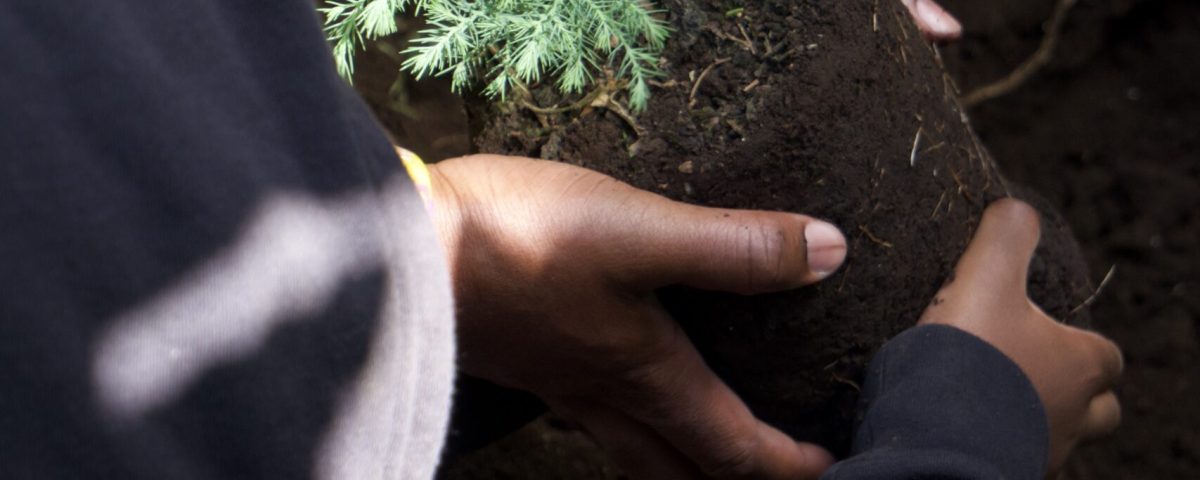
Sagro Farms is committed to teaching the next generation of land stewards why these practices are important. When children plant trees on a working farm, climate resilience becomes more than an abstract idea. They can touch the soil, see the relationship between the tree and the crop, and understand that productive agriculture does not have to come at the expense of nature.
These experiences help young people recognize that stewardship is active. It means deciding what to plant, what to protect, and what kind of landscape we want to leave behind.
By involving young people directly, we are planting both trees and knowledge. The tree becomes a living lesson—one that can grow alongside the child who placed it in the ground.
Growing a More Resilient Future
There is no single solution to climate change, and tree planting must always be thoughtful, locally appropriate, and connected to the needs of the land. But when trees are intentionally incorporated into agricultural systems, they can become an important part of a farm’s long-term resilience.
For Sagro Farms, this work reflects a broader belief: agriculture can produce more than food or coffee. It can restore habitat, strengthen communities, create opportunities for learning, and prepare landscapes for the future.
Every tree we protect or place into the ground is part of that commitment. Every young person who learns why it matters helps carry the commitment forward.
We are not only planting for the next harvest. We are planting for the next generation.